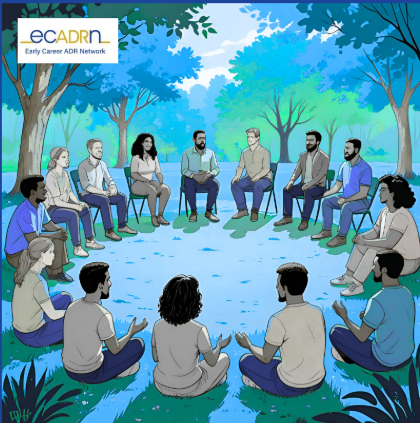
Community Mediation
Community mediation is a form of alternative dispute resolution (ADR) that helps people resolve local or interpersonal conflicts outside of formal legal systems. It usually involves trained volunteers or professional mediators who guide conversations between parties to reach a voluntary, mutually agreeable solution. The process is informal, accessible, and often free or low-cost. Its purpose is to strengthen relationships and reduce the need for litigation or law enforcement involvement (National Association for Community Mediation).
Common issues handled through community mediation include neighbor disputes, tenant–landlord conflicts, roommate disagreements, business–customer problems, and conflicts within community groups. Some programs also address school issues, family disagreements, or juvenile diversion cases. Mediation is confidential and non-adversarial. Usually, two co-mediators guide the process, helping participants share concerns, clear up misunderstandings, and explore solutions. Agreements are not legally binding unless formalized, but they are often followed because the parties help design the terms themselves (Resolution Systems Institute).